
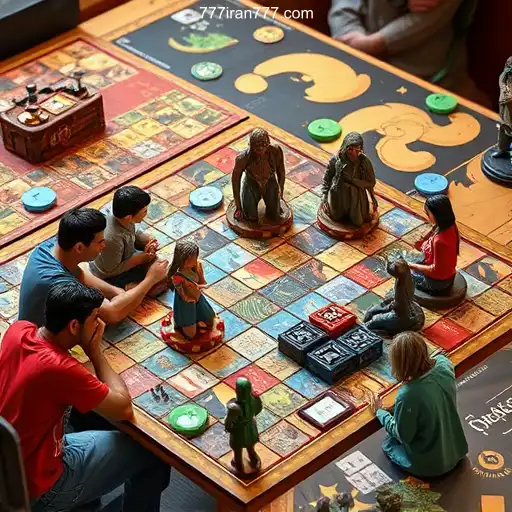

Exploring the World of Tabletop Games
Tabletop games have long been a cornerstone of social entertainment, providing an immersive and interactive experience that draws people together. From classic board games to the complex dynamics of role-playing games, the world of tabletop gaming is vast and varied, offering something for everyone. In recent years, tabletop games have seen a resurgence in popularity, propelled by a renewed interest in social gatherings and old-school gaming experiences.
The History and Evolution of Tabletop Games
The origins of tabletop games date back thousands of years, with games like Senet from Ancient Egypt and Go from China among the earliest recorded. These early games laid the groundwork for the diverse genres we see today. Over the centuries, tabletop games have evolved significantly, with each new era bringing innovations in design and gameplay.
In the 20th century, tabletop gaming gained significant traction, with iconic titles like Monopoly, Risk, and Scrabble becoming household names. The introduction of role-playing games (RPGs) in the 1970s, such as Dungeons & Dragons, opened new avenues for storytelling and creativity. These RPGs allowed players to assume the roles of characters within a narrative, creating unique and personalized experiences with each session.
The Role of Technology in Tabletop Games
The advent of technology has further transformed tabletop gaming, enhancing the experience with digital tools and platforms. Today, many board games have companion apps that streamline gameplay and offer digital enhancements, such as sound effects and animations. Additionally, online platforms enable remote play, connecting friends and family across distances to enjoy their favorite games together.
Technology has also facilitated the creation of hybrid games that blend physical board elements with digital interactivity. These games often utilize QR codes, augmented reality, and other technologies to create immersive and dynamic gaming experiences. As technology continues to evolve, it is likely that tabletop games will further integrate digital components, ushering in new forms of interactive entertainment.
The Social Aspects of Tabletop Gaming
One of the most compelling aspects of tabletop games is their ability to foster social interaction. Unlike digital games, which can often be solitary experiences, tabletop games encourage face-to-face communication and collaboration. Whether strategizing with teammates in a cooperative game or engaging in friendly competition, players are actively engaging with one another throughout the gaming session.
This social element extends beyond the gameplay itself. Game nights provide opportunities for bonding and creating lasting memories with friends and family. In many communities, tabletop gaming has also led to the establishment of clubs and gatherings where enthusiasts can meet to share their passion for gaming.
The Influence of Tabletop Games on Popular Culture
In recent years, tabletop games have exerted a significant influence on popular culture, inspiring a plethora of media content. Shows like Stranger Things and The Big Bang Theory have featured tabletop games prominently, introducing them to new audiences and igniting interest among younger generations. As a result, tabletop games are no longer confined to niche circles but have become a cultural phenomenon embraced by people of all ages.
Furthermore, tabletop games have inspired various adaptations, from video games to comic books and movies. This crossover into other mediums has expanded their reach and highlighted their enduring appeal. The imaginative worlds and characters created within tabletop games often serve as rich source material for creative projects across various entertainment platforms.
The Future of Tabletop Games
As we look to the future, the tabletop gaming industry is poised for continued growth and innovation. Designers are constantly pushing the boundaries, exploring new mechanics and themes to captivate players. With the rise of crowdfunding platforms, independent creators now have the means to bring their unique visions to life and reach a global audience.
Moreover, the integration of educational elements into tabletop games holds promise for learning and skill development. Games that incorporate historical, scientific, and mathematical concepts can provide engaging and interactive learning experiences for players of all ages.
In this ever-evolving landscape, one thing remains certain: the allure of tabletop games and their ability to bring people together transcends generations and technological shifts. Whether gathered around a table or connected online, the spirit of camaraderie and creativity that defines tabletop gaming is here to stay.
Conclusion
In summary, the world of tabletop games is a vibrant and dynamic one, steeped in history yet continually evolving with the times. As new technologies and cultural trends emerge, tabletop games will undoubtedly continue to captivate and inspire players around the globe. Whether playing a classic board game, immersing oneself in a narrative-driven RPG, or exploring the possibilities of digital integration, tabletop gaming offers endless opportunities for entertainment and connection.